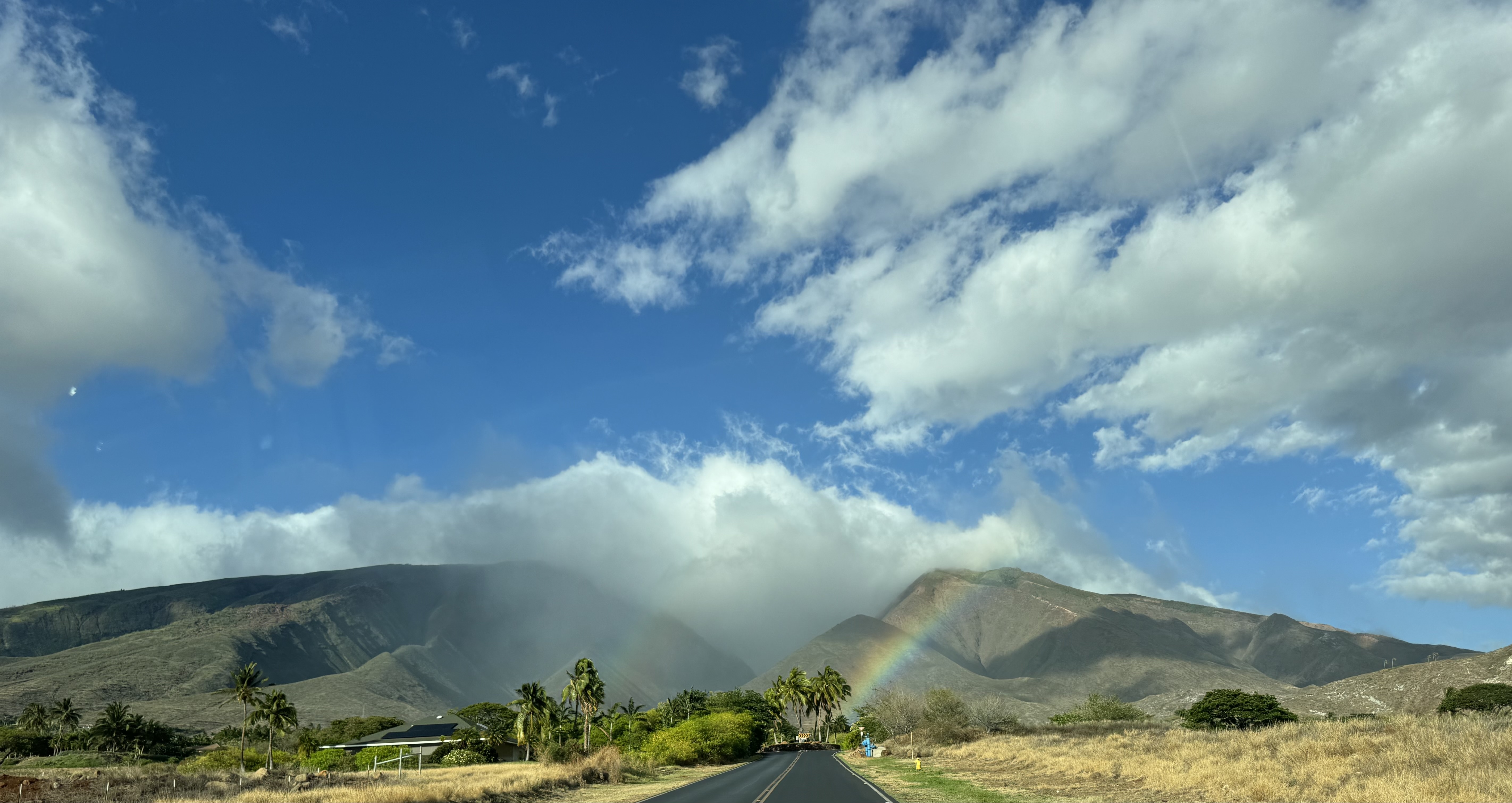
 A typical day in Launiupoko, Maui.
 Jack Roden
Each winter, Maui becomes one of the most important whale habitats on the planet as North Pacific humpback whales migrate thousands of miles to Hawaiʻi’s warm waters to mate, calve, and nurse their young. February marks the height of this migration, and with it comes one of Maui’s longest-running ocean conservation traditions: the World Whale Day Festival.
In 2026, the festival returns for its 45th year, running from February 9 through February 15, with a full week of community events, educational programming, cultural celebrations, and conservation efforts across the island [1]. Founded in Maui in 1980, World Whale Day began as a grassroots effort to raise awareness for humpback whale protection and has since grown into an internationally recognized celebration rooted in local stewardship [4].
The festival is organized by Pacific Whale Foundation, a Maui-based nonprofit dedicated to whale research, marine education, and ocean advocacy [1].
2026 World Whale Day Festival Events on Maui
Opening Ceremony — February 9, 2026 | Mākena Golf & Beach Club
The festival opens with a traditional Hawaiian blessing, welcoming the community and setting intentions for a week focused on respect for the ocean and its inhabitants. Opening remarks and a reception overlooking the shoreline mark the official start of the celebration [1].
Mālama Pono Service Projects — February 9–13, 2026
Throughout the week, volunteers can participate in hands-on stewardship projects that directly benefit Maui’s environment. These include beach cleanups, native habitat restoration, and agricultural support projects in partnership with local organizations and state agencies [1]. These efforts reflect the festival’s core message: caring for whales begins with caring for the land and sea they depend on.
A Toast to Whales Sponsor Reception — February 10, 2026 | Kapalua
This invitation-only reception honors festival sponsors and conservation partners, celebrating the collective effort behind decades of marine protection and education work on Maui [1].
PacWhale Eco-Adventures Whale Watch Cruises — February 10–11, 2026
Specialty whale watch cruises aboard PacWhale vessels offer an immersive way to experience peak whale season. These educational excursions combine marine science interpretation, cultural storytelling, and opportunities to observe humpback whale behaviors such as breaching, tail slapping, and competitive groups [1].
9th Annual World Whale Film Festival — February 11, 2026 | ʻĪao Theater, Wailuku
Hosted at Wailuku’s historic ʻĪao Theater, the film festival features short films focused on ocean conservation, Indigenous knowledge, climate science, and marine life storytelling. The evening invites reflection on humanity’s relationship with the ocean and the role of storytelling in conservation [2].
Taste & Tunes — February 12, 2026 | OCEAN Organic Farm & Distillery
Set in Upcountry Maui, Taste & Tunes blends island-inspired food, craft beverages, and live music in an open-air setting. This relaxed community gathering connects local culture with conservation fundraising and awareness [1].
Big Blue Soirée — February 13, 2026 | Mākai Glass
The festival’s signature fundraiser celebrates 45 years of World Whale Day with hosted drinks, dinner, live music, and stories highlighting the impact of whale research and ocean advocacy on Maui and beyond [1].
Community Day: Mālama I Nā Koholā — February 14, 2026 | Māʻalaea Harbor Shops
This free, family-friendly event includes marine science stations, keiki activities, educational booths, Hawaiian cultural programming, and live performances. Community Day is designed to make ocean education accessible and engaging for all ages [1].
World Whale Day Parade — February 15, 2026 | South Kīhei Road
The festival concludes with a vibrant parade through South Kīhei, celebrating community pride, creativity, and the humpback whales that return to Maui each year. The parade is one of the island’s most recognizable expressions of ocean stewardship [1].
Why World Whale Day Still Matters
Humpback whales were once driven close to extinction, with global populations reduced by more than 90 percent during the commercial whaling era [5]. While populations have significantly recovered thanks to international protections, whales continue to face modern threats including vessel strikes, entanglement, ocean noise, and climate-driven changes to marine ecosystems [5].
World Whale Day remains relevant because it bridges science, culture, and community. It serves as both a celebration of recovery and a reminder that continued stewardship is essential to protecting Maui’s ocean environment for generations to come.
For residents and visitors alike, the World Whale Day Festival offers a meaningful way to experience Maui during peak whale season — not just by observing whales offshore, but by understanding the role the island plays in their survival.
Sources
-
Pacific Whale Foundation — 45th Annual World Whale Day Festival 2026 Program
https://pacificwhale.org/world-whale-day-2026/ -
Pacific Whale Foundation — 9th Annual World Whale Film Festival
https://pacificwhale.org/event/filmfest/ -
Pacific Whale Foundation — Mission and conservation programs
https://pacificwhale.org -
World Whale Day history and origins — Days Of The Year
https://www.daysoftheyear.com/days/world-whale-day/ -
NOAA Fisheries — Humpback whale population recovery and current threats
https://www.fisheries.noaa.gov/species/humpback-whale